From Parking Lots to Bedrooms: How Easy It Is to Plant a Tracking Device in 2026

Introduction
It usually doesn’t happen the way people imagine.
No dramatic moment. No obvious setup. Just… a normal day.
You park your car. You walk away. Nothing feels off.
But that’s often all it takes.
In 2026, tracking someone isn’t complicated anymore. It doesn’t require technical skill or planning on a large scale. In a lot of cases, it’s quick, quiet, and easy to miss completely.
And the part that catches most people off guard?It starts in places that feel completely routine.
Why This Has Become So Easy
Not long ago, tracking devices were obvious. Bigger. Limited. Easier to spot if you knew what to look for.
Now they’re different.
Smaller, for one. Cheaper too. And built in a way that doesn’t draw attention. Some don’t even rely on constant signals anymore—they just sit there, doing their job in the background.
That shift matters.
Because it lowers the effort required. Not just for professionals—but for anyone with access and intent.
It Often Starts in a Parking Lot
If there’s one place people underestimate, it’s this.
Parking lots are predictable. People come and go, focused on their own routine. No one’s really paying attention to someone walking past a car.
And that’s the opening.
It doesn’t take long—just a few seconds near a vehicle. A quick movement that wouldn’t stand out to anyone nearby. By the time the owner comes back, everything looks exactly the same.
Nothing obvious. Nothing missing.
But from that point on, the situation has changed.
From Public Space to Personal Routine
Once a device is in place, it doesn’t stay tied to that one moment.
It follows.
From the parking lot to wherever the vehicle goes next. Work, home, errands—it builds a pattern quietly, without interruption.
And patterns are where this becomes more than just location tracking.
They reveal habits. Timing. Predictability.
Things most people don’t think twice about—until they realize someone else might be seeing the same picture.
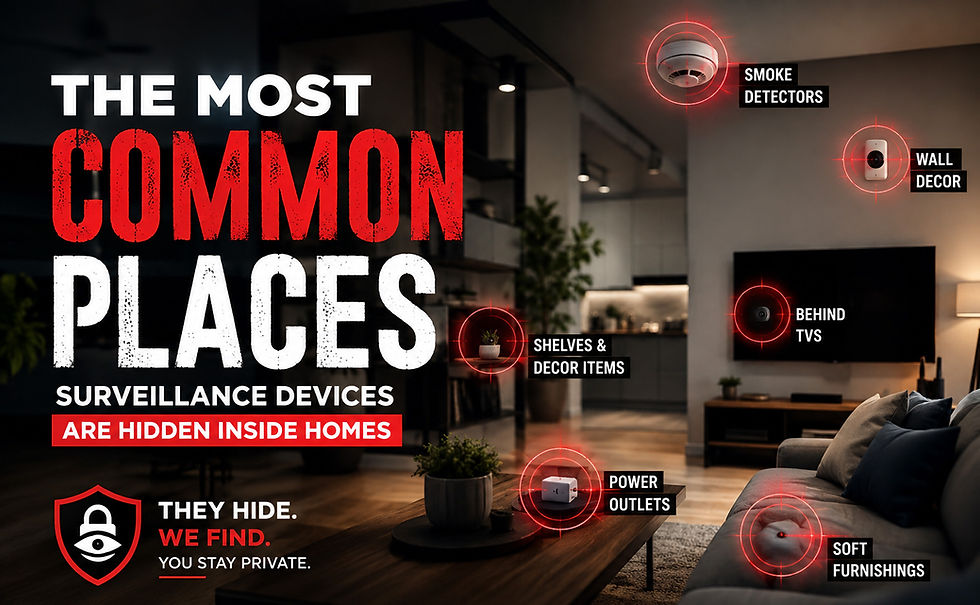
When It Reaches Private Spaces
This is where people assume they’re safe.
At home, especially in personal areas, there’s a sense of control. Privacy feels… restored.
But if the device entered earlier—on a vehicle, a bag, something carried inside—then it didn’t need to be placed again.
It was already there.
So what feels like a private space isn’t necessarily isolated. It’s just another point in the same pattern being tracked.
Why It Goes Unnoticed
Part of the issue is expectation.
People expect signs—noise, movement, something visible.
But modern tracking doesn’t rely on any of that.
There’s no alert. No flashing light. No obvious behavior that makes you stop and think, “that’s not right.”
It blends in. Or more accurately, it doesn’t stand out at all.
And that’s why it works.
Access Doesn’t Have to Be Obvious
Another thing people tend to overestimate is how much access is needed.
It’s not prolonged. It’s not complicated.
Sometimes it’s just proximity at the right moment. A brief window where no one is paying attention. That’s enough.
No forced entry. No extended interaction.
Just timing.
What This Actually Means
This isn’t about assuming the worst.
Most people won’t experience this. And not every situation points to something serious.
But the ease of it changes the conversation.
It’s no longer about “could this happen?” Basically, it is a question of "just how easily could it happen if someone actually wanted to?"
And that’s where awareness starts to matter.
Staying Aware Without Overthinking It
There’s a balance here.
You don’t need to constantly check everything or assume something is wrong. But being a little more observant—especially in routine environments—goes a long way.
Noticing small changes. Paying attention to patterns. Questioning things that don’t quite add up.
That’s usually enough to catch something early, if there is something to catch.
When Basic Checks Aren’t Enough
Some situations go beyond casual awareness.
Modern devices are designed to avoid attention. They don’t stay active all the time, and they don’t make themselves easy to find.
That’s where more structured detection comes in. A TSCM sweep, for example, looks at the full environment—not just signals, but physical placement and anomalies.
It’s a different level of inspection entirely.
Conclusion
The reality in 2026 is simple, even if it’s uncomfortable.
Tracking someone doesn’t take much anymore.
It can start in a parking lot, carry through daily routines, and extend into spaces people consider private—all without anything obvious happening along the way.
That doesn’t mean constant risk.
But it does mean vulnerability exists in places most people don’t think about.
And usually, it’s the ordinary moments that matter most.
FAQs
How easy is it to plant a tracking device today?
In many cases, it only takes a few seconds and minimal access to a vehicle or personal item.
Do tracking devices always send signals?
Not necessarily. Some work intermittently or rely on network-based systems.
Where are they most commonly placed?
Vehicles are one of the easiest targets, especially in public areas like parking lots.
Can they reach private spaces like homes?
Yes—if they’re attached to something that’s brought inside.
What should someone do if they’re concerned?
Start with awareness, and if concerns persist, consider a more thorough inspection.


Comments